

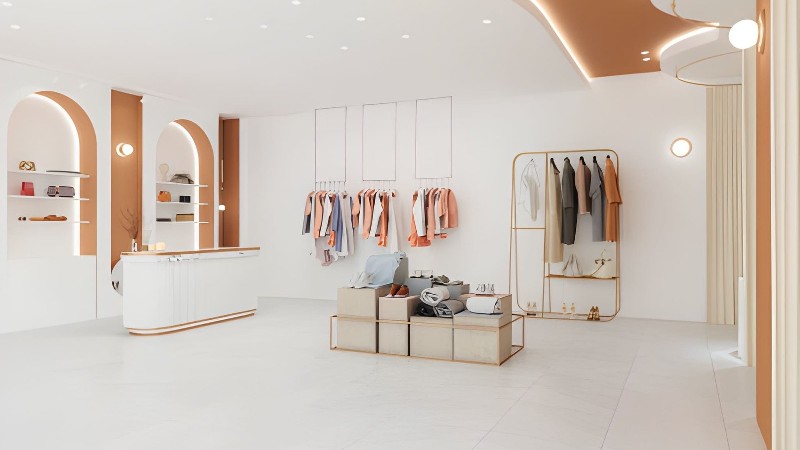
- Quiet luxury is a lifestyle centred on quality, restraint and timeless taste.
- It goes beyond fashion and influences home, wellness and daily habits.
- The style prioritises fit, fabric and subtle details over logos and trends.
- Quiet luxury differs from old money style, minimalism and loud luxury.
- You do not need designer labels to embrace the quiet luxury lifestyle.
- Understanding materials, colour palettes and styling principles matters more than brand recognition.
- The quiet luxury lifestyle is ultimately about confidence, comfort and intentional living.
What Is the Quiet Luxury Lifestyle?
Quiet luxury is often misunderstood. Many people imagine it means dressing in beige clothes and spending heavily on designer fashion. The reality is more interesting than that.
The quiet luxury lifestyle is built around understated elegance, thoughtful choices and lasting quality. Instead of displaying status through obvious logos or trend-driven purchases, it values craftsmanship, comfort and timeless appeal.
In simple terms, quiet luxury is about enjoying well-made things without needing public validation.
This mindset affects more than clothing. It shapes how people furnish their homes, spend their money, care for themselves and move through daily life.
Quiet Luxury Meaning in Simple Terms
The quiet luxury meaning can be summed up in one idea: buy and choose with intention.
Rather than collecting possessions for attention or social approval, people following the quiet luxury lifestyle focus on quality they can genuinely experience. That might be a perfectly fitted coat, a beautifully made leather bag or simply a calm home environment that feels restorative.
The emphasis is not on appearing wealthy. It is on feeling comfortable, refined and secure in personal choices.
This is why quiet luxury explained purely as a fashion trend misses the bigger picture. Fashion may be the most visible expression, but the philosophy runs much deeper.
Why It Is Also Called Stealth Wealth
You may hear quiet luxury described as stealth wealth. The two ideas overlap, though they are not entirely identical.
Stealth wealth refers to wealth that is deliberately understated. Instead of monogram handbags or flashy jewellery, the signals become subtle: impeccable tailoring, premium fabrics and polished simplicity.
The appeal lies in discretion.
Someone wearing a finely tailored wool coat with excellent construction may communicate sophistication more effectively than a heavily branded outfit. Recognition becomes selective, often noticed only by people who understand quality and craftsmanship — and that exclusivity, paradoxically, is part of the point.
The Core Idea: Less Display, More Discernment
The quiet luxury lifestyle rejects the pressure to constantly prove success.
That does not mean rejecting beauty or ambition. It means becoming more selective about what deserves attention and investment.
Discernment plays a central role.
People embracing quiet luxury often ask questions like:
- Will this last?
- Does this feel good to use or wear?
- Is it well made?
- Will I still appreciate it years from now?
These questions naturally encourage slower, more deliberate choices.
Why Quiet Luxury Became So Popular
The rise of quiet luxury did not happen by accident.
Several cultural shifts pushed this aesthetic and lifestyle into mainstream conversation. While understated elegance has always existed, recent years gave it renewed relevance.
The Succession Effect
Popular culture helped introduce quiet luxury to wider audiences.
Television dramas featuring wealthy families presented a different visual language of status. Instead of glittering excess, viewers noticed muted palettes, cashmere knits, tailored outerwear and unbranded luxury.
These wardrobes looked expensive without announcing themselves.
The fascination came from contrast. Audiences had grown used to celebrity fashion centred on obvious branding and spectacle. Quiet luxury offered something calmer and more sophisticated.
In the UK, the shift had its own cultural reference points. Public figures such as Kate Middleton and Victoria Beckham had long favoured clean lines, neutral tones and restrained tailoring — a wardrobe sensibility that quietly anticipated the trend before it had a name.
The Move Away From Loud Logos
Fashion trends often move in cycles.
For years, luxury branding relied heavily on visibility. Logos became status symbols, and designer recognition carried social value.
Eventually, that approach reached saturation.
Many consumers began feeling overwhelmed by fast-changing trends and overt status dressing. Quiet luxury arrived as a counterbalance.
Instead of asking, “Can people recognise this brand?” the focus shifted toward, “Is this genuinely well made?”
That subtle shift changed buying behaviour.
Why People Are Choosing Fewer, Better Things
Economic pressure has also shaped the quiet luxury lifestyle.
When spending becomes more intentional, impulse purchases lose appeal. People start evaluating value differently. It is worth noting, though, that choosing fewer and better things is actually harder than it sounds — it requires patience, self-awareness and a willingness to resist the constant pull of novelty.
A well-made pair of loafers worn for years may offer better value than several trend-driven alternatives needing constant replacement.
This does not mean quiet luxury is inexpensive.
Rather, it reframes spending around longevity and usefulness instead of novelty.
That idea resonates strongly with consumers fatigued by disposable culture.
Quiet Luxury and the Age of Digital Overexposure
Modern life is loud.
Social media encourages constant sharing, comparison and performance. Holidays, meals and purchases often become content before they become experiences.
The quiet luxury lifestyle pushes gently against that culture.
It values privacy and enjoyment without audience participation.
A thoughtfully prepared dinner at home, quality bedding or a beautifully tailored jacket can hold personal value without needing online validation.
For many people, that emotional shift is part of the attraction.
Quiet Luxury vs Old Money, Minimalism and Loud Luxury
One reason people search for quiet luxury explained is confusion.
The concept overlaps with several other aesthetics and lifestyles, but important differences exist.
| Style | Main Focus | Visual Identity | Core Motivation |
|---|---|---|---|
| Quiet Luxury | Quality and discretion | Refined and understated | Comfort and discernment |
| Old Money | Heritage and tradition | Classic and inherited | Legacy and social identity |
| Minimalism | Reduction and simplicity | Clean and pared back | Less ownership |
| Loud Luxury | Visibility and status | Bold branding | Recognition and display |
Quiet Luxury vs Old Money
Quiet luxury and old money style are frequently confused.
Both value elegance and avoid excessive branding, yet their personalities differ.
Old money style draws heavily from heritage dressing. Think riding jackets, heritage tailoring, traditional fabrics and country-club aesthetics.
Quiet luxury feels more contemporary.
It embraces modern silhouettes and cleaner lines while still prioritising quality and restraint.
One references inherited tradition. The other reflects refined modern living.
Quiet Luxury vs Minimalism
Minimalism focuses on reduction.
The goal is often owning fewer possessions and simplifying life.
Quiet luxury may appear minimalist, but it is not driven by limitation alone.
Someone embracing quiet luxury might own fewer things, yet those possessions are chosen for comfort, beauty and craftsmanship rather than strict reduction.
Minimalism asks, “Do I need this?”
Quiet luxury asks, “Is this worth keeping?”
Quiet Luxury vs Loud Luxury
This comparison is the easiest to understand.
Loud luxury depends on visibility. Recognition matters.
Large logos, statement branding and trend-heavy purchases often sit at the centre of the aesthetic.
Quiet luxury moves in the opposite direction.
The quality is still present, sometimes at an equally premium level, but it is communicated through construction, materials and proportion rather than advertising.
One seeks attention. The other feels comfortable without it.
The Key Principles of Quiet Luxury
The quiet luxury lifestyle becomes easier to understand when broken into practical principles.
These ideas guide decisions across fashion and daily life.
Quality Over Quantity
This phrase appears everywhere, yet competitors rarely explain how to apply it.
Quality means paying attention to construction, materials and durability.
For clothing, that could involve checking stitching, fabric composition and how a garment hangs on the body. For home items, it may involve longevity and craftsmanship rather than trend appeal.
The goal is not perfection. It is thoughtful ownership.
Fit Before Brand
Fit is one of the most overlooked parts of quiet luxury style.
A modestly priced blazer tailored properly often looks more sophisticated than an expensive jacket with poor proportions.
Quiet luxury relies heavily on clothes fitting naturally and comfortably.
Tailoring matters because it creates polish without effort.
Natural Materials and Better Texture
Texture quietly communicates quality.
Natural fabrics often play an important role because they age well and feel comfortable against the skin.
- Cashmere for softness and warmth
- Wool for structure and durability
- Linen for breathability
- Silk for refinement
- Cotton for versatility
Not every item must be expensive. The key is choosing materials that feel intentional rather than disposable.
Neutral and Timeless Colours
Quiet luxury style usually relies on restrained colour palettes.
That does not mean colourless dressing.
Rather, colours are selected for versatility and longevity.
- Black
- Navy
- Cream
- White
- Grey
- Camel
- Olive
- Chocolate brown
These shades combine easily and allow texture and tailoring to take centre stage.
Longevity Over Trend-Chasing
Quiet luxury avoids frantic consumption.
Trends are not automatically rejected, but they are approached carefully.
The question becomes whether a trend supports personal style or simply creates temporary excitement.
A trench coat, tailored trousers or quality leather shoes remain relevant because they are grounded in proportion and function rather than seasonal hype.
What Quiet Luxury Looks Like in Fashion
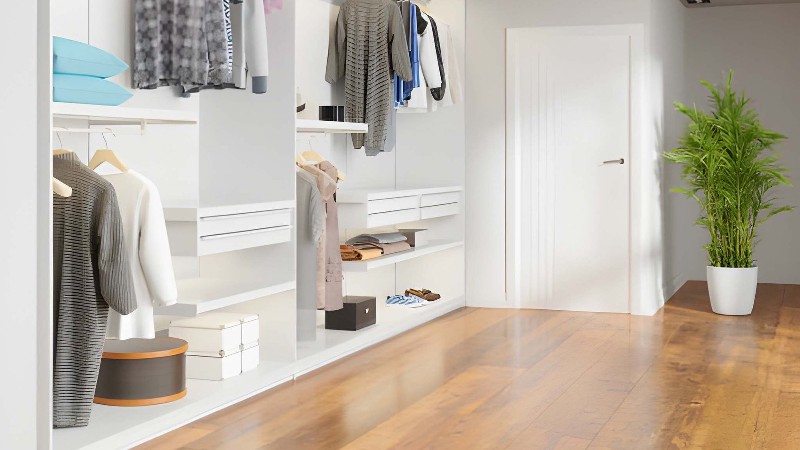
Fashion remains the most recognisable expression of the quiet luxury lifestyle.
Yet quiet luxury style is not about uniform dressing.
The look works because it feels considered rather than formulaic.
Wardrobe Staples That Support Quiet Luxury Style
Building a quiet luxury wardrobe does not require dozens of pieces.
A small selection of dependable essentials often creates stronger results.
- Well-cut wool coat
- Tailored blazer
- Trench coat
- Cashmere knitwear
- Crisp cotton shirt
- Tailored trousers
- Dark denim with clean lines
- Leather loafers or boots
- Structured bag
- Simple jewellery
The purpose of these pieces is versatility.
When clothes coordinate naturally, dressing becomes calmer and more consistent.
How Quiet Luxury Avoids Looking Boring
A common misconception is that quiet luxury means dressing blandly.
That happens only when people copy surface details without understanding proportion and texture.
Interest comes from layering fabrics, balancing silhouettes and selecting pieces with subtle character.
For example, a cream knit paired with dark tailored trousers and polished loafers creates depth through contrast rather than decoration.
The result feels elegant without appearing overstyled.
Quiet Luxury Brands to Know
Brand names alone do not define the quiet luxury lifestyle, yet certain labels have become closely associated with the aesthetic because of their focus on craftsmanship and restraint.
The important thing to remember is this: quiet luxury brands are not valuable merely because they are expensive. They are valued because they prioritise quality, longevity and design that does not depend on obvious branding.
High-End Quiet Luxury Brands
Several luxury houses consistently embody quiet luxury style through premium materials and understated design.
- The Row – known for minimalist tailoring and elevated basics
- Loro Piana – celebrated for exceptional wool and cashmere
- Brunello Cucinelli – refined casual luxury with superb craftsmanship
- Bottega Veneta – discreet leather goods and subtle luxury
- Celine – modern sophistication and clean silhouettes
- Max Mara – timeless outerwear and tailoring
These brands often avoid excessive logos and instead let materials and construction speak for themselves.
Accessible Quiet Luxury-Inspired Brands
One of the biggest myths surrounding quiet luxury is that it requires unlimited spending.
That simply is not true.
Many contemporary brands offer pieces inspired by quiet luxury style without entering ultra-premium territory.
- COS
- Arket
- Reiss
- Jigsaw
- Massimo Dutti
- Uniqlo
- ME+EM
The difference lies in being selective.
A thoughtfully chosen wool coat or crisp cotton shirt from an accessible retailer can support the quiet luxury lifestyle if fit and fabric are prioritised.
How to Judge a Brand Beyond the Label
Labels matter less than many people assume.
Instead of asking whether a brand appears luxurious, ask better questions.
- Are the materials durable?
- Is the garment properly finished?
- Does the fit work naturally?
- Will this remain wearable beyond one season?
- Does it feel genuinely enjoyable to own?
These questions shift attention from prestige toward value and satisfaction.
How to Build a Quiet Luxury Wardrobe on a Realistic Budget
The quiet luxury lifestyle does not require replacing your entire wardrobe overnight.
In fact, dramatic shopping sprees contradict the philosophy.
The better approach is slower and more sustainable.
Start With the Pieces You Wear Most
Look at what you already reach for repeatedly.
Most wardrobes rely heavily on a handful of dependable pieces.
Improving those essentials usually delivers the greatest impact.
For example, upgrading a coat, knitwear or footwear often changes the overall impression of an outfit more than buying trend-driven additions.
Buy Fewer Items but Choose Better Ones
Impulse buying rarely supports quiet luxury style.
Instead, consider adopting a more intentional rhythm.
- Identify gaps in your wardrobe
- Research materials and fit
- Wait before purchasing
- Choose versatility over novelty
This process reduces waste and encourages stronger personal style.
Use Tailoring to Elevate Affordable Clothing
Tailoring is one of the most underrated quiet luxury tools.
A jacket adjusted at the shoulders or trousers shortened correctly can transform how clothing looks and feels. In practice, even a modest alteration costing a small amount can make an affordable piece feel noticeably more polished — the kind of improvement no amount of brand prestige alone can replicate.
Fit creates sophistication.
This is why quiet luxury explained solely through designer shopping misses an important truth. Personalisation often matters more than price.
Shop Second-Hand and End-of-Season Sales
Pre-owned shopping can work beautifully within the quiet luxury lifestyle.
Well-made garments often retain quality for years, making resale platforms and vintage shops valuable resources.
Likewise, end-of-season sales may allow access to premium fabrics and tailoring without paying full retail prices.
The goal is not bargain hunting for its own sake. It is buying with patience and purpose.
Quiet Luxury Beyond Fashion
Fashion may introduce people to quiet luxury, but the lifestyle becomes far more meaningful when it extends beyond clothing.
This is where the philosophy becomes personal.
Quiet Luxury at Home
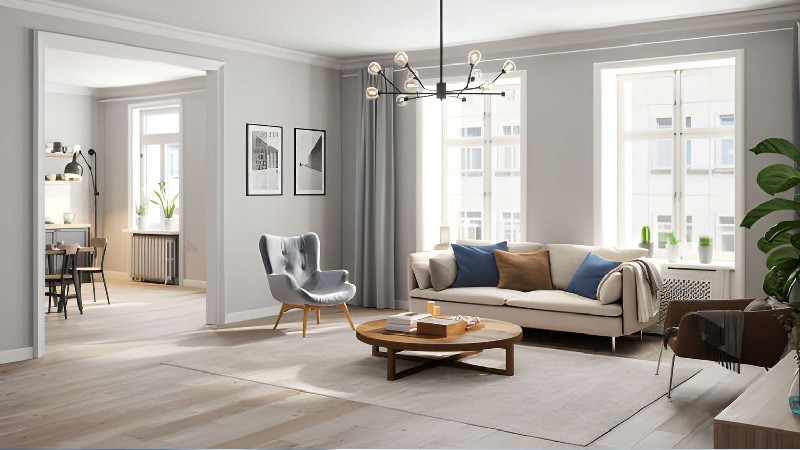
Quiet luxury at home is less about perfection and more about atmosphere.
A calm, organised space often feels more luxurious than a room filled with expensive clutter.
Simple upgrades can make a noticeable difference.
- Quality bedding
- Soft lighting
- Natural textures
- Well-made furniture
- Objects chosen for meaning rather than display
Comfort becomes the priority.
A thoughtfully arranged living space encourages rest and ease rather than visual excess.
Quiet Luxury in Beauty and Grooming
The quiet luxury lifestyle values consistency over spectacle.
Beauty and grooming reflect that approach.
Rather than constantly chasing trends, many people following this aesthetic focus on routines that genuinely work for them.
Healthy skin, neat grooming and understated fragrance often align more naturally with quiet luxury than highly performative beauty trends.
The emphasis remains subtle and personal.
Quiet Luxury in Wellness and Rest
Rest has become surprisingly undervalued.
Many people wear exhaustion like a badge of honour, yet quiet luxury moves in another direction.
It recognises rest as something worth protecting — not as an indulgence, but as a form of considered self-maintenance that makes every other part of life function better.
That may involve:
- Regular movement
- Time outdoors
- Sleep quality
- Reading
- Less digital overload
- Intentional routines
This is not wellness as performance.
It is wellness as maintenance and care.
Quiet Luxury in Travel and Leisure

Quiet luxury travel focuses more on experience than display.
Instead of travelling purely for photographs or status, the emphasis shifts toward comfort, atmosphere and meaningful experiences.
A slower itinerary, boutique accommodation or time spent exploring thoughtfully may align more closely with this lifestyle than rushing through destinations for social media content.
Quiet Luxury and Digital Habits
Modern luxury increasingly includes privacy and mental space.
The quiet luxury lifestyle often reflects a healthier relationship with technology.
That might involve:
- Reducing unnecessary notifications
- Curating online spaces carefully
- Protecting personal boundaries
- Choosing presence over constant sharing
This digital restraint supports the same values seen in quiet luxury fashion: intention and moderation.
How to Live the Quiet Luxury Lifestyle Step by Step
The quiet luxury lifestyle becomes manageable when approached gradually.
You do not need to reinvent yourself.
You simply need clearer priorities.
Step 1: Declutter What Feels Noisy
Begin by noticing what feels excessive or chaotic.
This may include overcrowded wardrobes, unnecessary purchases or even overcommitted schedules.
Removing noise creates room for clarity.
Step 2: Upgrade What You Use Daily
Quiet luxury often begins with daily experience.
Instead of buying rarely used statement pieces, improve things you touch constantly.
Quality sheets, better footwear or reliable outerwear may offer greater satisfaction than occasional luxury purchases.
Step 3: Choose Comfort You Can Actually Feel
Quiet luxury style depends heavily on sensory experience.
Texture, softness and ease matter.
If something feels uncomfortable or impractical, it rarely aligns with the philosophy regardless of price.
Step 4: Build a Consistent Personal Style
Many people struggle with style because they chase trends instead of identifying preferences.
The quiet luxury lifestyle encourages consistency.
A reliable colour palette, flattering silhouettes and trusted essentials create stronger results than constant experimentation.
Step 5: Maintain and Care for What You Own
Longevity requires maintenance.
Quiet luxury treats possessions respectfully.
That means:
- Repairing when possible
- Storing properly
- Caring for fabrics
- Keeping possessions functional and beautiful
Ownership becomes more mindful.
Common Quiet Luxury Mistakes
The quiet luxury trend has inspired countless imitations, and some misunderstand the concept entirely.
Thinking Quiet Luxury Means Wearing Only Beige
Neutral colours support quiet luxury, but personality still matters.
Texture, silhouette and thoughtful colour combinations prevent outfits from feeling flat.
Confusing Expensive With Elegant
Price alone does not guarantee sophistication.
Poor fit, excessive branding or trend-heavy styling can undermine even expensive purchases.
Buying Luxury Solely for Status
This contradicts the philosophy completely.
If recognition becomes the primary goal, the mindset moves closer to loud luxury than quiet luxury.
Ignoring Fit and Grooming
Quiet luxury style depends on refinement.
Clothing, grooming and presentation work together.
Even simple clothing appears elevated when maintained and worn confidently.
Treating Quiet Luxury as Another Fast Trend
The quiet luxury lifestyle works best when treated as a long-term mindset rather than seasonal fashion.
Otherwise, it becomes another cycle of consumption disguised as restraint.
Is Quiet Luxury Sustainable?
This question deserves nuance.
Quiet luxury and sustainability overlap, but they are not automatically the same thing. In fact, the most honest answer is that quiet luxury can either support sustainability or quietly undermine it — depending entirely on the motivation behind it.
Where Quiet Luxury Supports Sustainability
Buying fewer, better-made items can reduce waste and discourage disposable shopping habits.
Durable materials and thoughtful purchasing naturally support longer product life cycles.
Where Quiet Luxury Can Still Encourage Overconsumption
Problems arise when quiet luxury becomes aesthetic consumption rather than intentional living.
Constantly replacing wardrobes with expensive alternatives still encourages excess.
Mindset matters more than price point.
How to Make Quiet Luxury More Ethical
A more responsible approach may include:
- Buying less frequently
- Supporting quality production
- Choosing timeless design
- Using items for longer
- Repairing before replacing
These habits align quiet luxury with practical sustainability.
Is Quiet Luxury Worth It?
The answer depends on motivation.
If quiet luxury is pursued merely as an aesthetic shortcut to appearing wealthy, disappointment often follows.
However, if the goal is calmer consumption, better quality and more intentional living, the philosophy can feel surprisingly freeing.
The quiet luxury lifestyle asks people to shift attention away from performance and toward personal experience.
That change may be its greatest strength.
Conclusion
The quiet luxury lifestyle is not about perfection, exclusivity or collecting expensive labels.
At its best, it is about discernment.
It encourages people to choose quality over noise, comfort over display and confidence over approval.
Quiet luxury style may begin with clothing, but it rarely ends there. It influences homes, habits, relationships with money and even the way people value time and privacy.
Perhaps that is why the concept continues to resonate — and why it has proven more durable than most trends that arrive with similar fanfare.
In a world that constantly encourages louder consumption and faster decisions, quiet luxury offers something genuinely rare: permission to slow down, choose carefully and enjoy life without needing to prove its value to anyone else. That, more than any cashmere knit or perfectly cut blazer, is the real luxury.
Frequently Asked Questions
What is the concept of quiet luxury?
Quiet luxury is a lifestyle and aesthetic centred on understated elegance, quality craftsmanship and timeless design rather than obvious branding or trends.
Is quiet luxury the same as old money style?
No. Old money style is rooted in heritage and traditional dressing, while quiet luxury usually feels more modern and minimalist.
Can quiet luxury be affordable?
Yes. Quiet luxury is more about fit, fabric and thoughtful purchasing than spending excessively. Tailoring, careful shopping and prioritising essentials make it accessible.
What colours suit quiet luxury style?
Neutral and versatile colours such as navy, cream, camel, black, grey and olive commonly support quiet luxury wardrobes.
How do you look quietly expensive?
Focus on fit, grooming, quality materials and understated styling. Clothes do not need obvious logos to appear refined.
Is quiet luxury still popular?
Yes, although it has evolved beyond trend status. Increasingly, people view it as a broader lifestyle centred on intentional living and timeless quality.